Winter Rosé: Style, Structure, and Seasonal Pairing
Rosé That Belongs at the Winter TableRosé doesn’t disappear when the temperature drops—it simply evolves. Our winter rosé selection focuses on dry, food-driven styles with structure, depth, and balance, designed to complement cozy meals and cold-weather cooking. These wines offer the brightness of rosé with the substance needed for winter enjoyment—making them ideal alternatives to both light reds and richer whites. The Rosé Styles That Shine in Winter
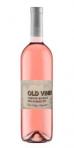
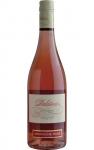
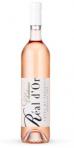
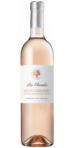
🌿 Classic Mediterranean RoséDry, mineral-driven, and gently savory, these rosés emphasize herbal notes, citrus peel, and saline freshness. Balanced and elegant, they excel at the dinner table rather than as simple sipping wines. Why they work in winter: 🍒 Pinot Noir–Driven RoséSoft yet expressive, these rosés feature red berry fruit, subtle earthiness, and refined structure. They offer the delicacy of Pinot Noir with the refreshing lift of rosé. Why they work in winter: 🍇 Old Vine & Terroir-Driven RoséMade from mature vines and expressive sites, these rosés deliver concentration, complexity, and a lingering finish. They are serious, dry wines meant to be enjoyed slowly. Why they work in winter: 🌬️ Crisp, Dry Rosé with TextureBright and refreshing but never thin, these styles combine clean acidity with subtle fruit and minerality, offering lift without losing substance. Why they work in winter: 👉 Explore Our Winter Rosé Selection |
 |
 |
|
|
Qty:
|
||||||||||||
 |
|
|
Qty:
|
||||||||||||
 |
|
|
Qty:
|
||||||||||||
 |
|
|
Qty:
|
||||||||||||
 |
|
|
Qty:
|
||||||||||||
 |
|
|
Qty:
|
||||||||||||
 |
|
|
Qty:
|
||||||||||||
 |
|
|
Qty:
|
||||||||||||
 |
|
|
Qty:
|
||||||||||||
 |
|
|
Qty:
|
||||||||||||
|
|
|
Qty:
|
||||||||||||
 |
|
|
Qty:
|
||||||||||||
| Copyright © 2026 All rights reserved | Website Powered by WineFetch |